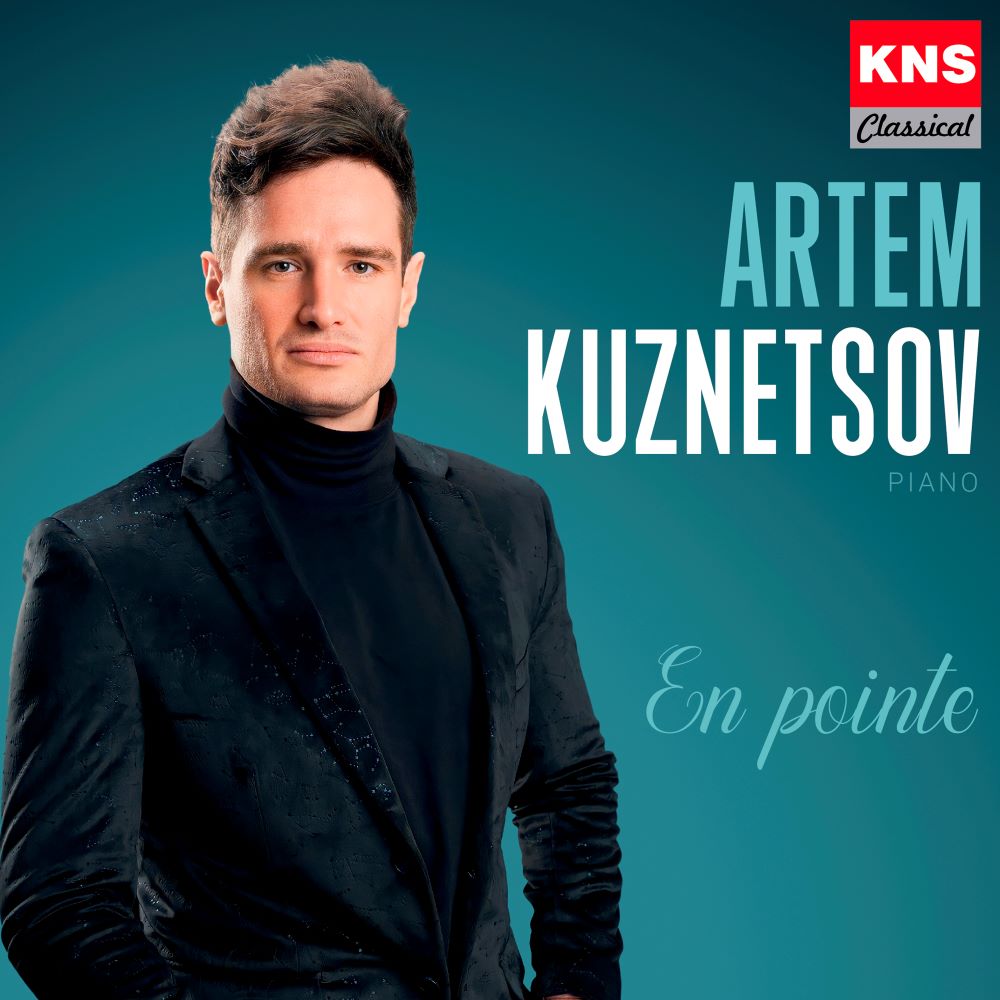
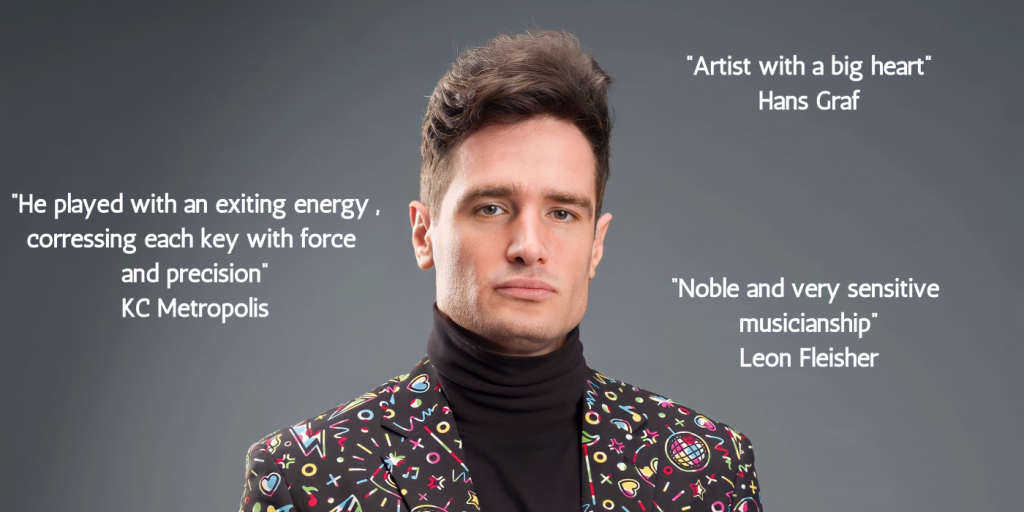
EN POINTE – ARTEM KUZNETSOV, piano




Top Classical, August 2023
Music is sometimes called the universal language because of its ability to express and connect with our emotions even in the absence of words. Every three years Hamamatsu proves that statement and becomes once again the “City of Music”.
The Hamamatsu International Piano Competition periodically gathers Young international pianist and bring them to a world level stage. After the fierce competitive pre-selection, an average of 80 applicants from more than 20 countries are chosen to be competitors for the 1st Stage. The Competition began in 1991 as part of the celebration of Hamamatsu City’s 80th Founding Anniversary. The Competition started to pride Hamamatsu’s tradition and history as a city of music and instruments In fact Hamamatsu is a city known for its vibrant music sector. Renowned musical instrument companies such as Yamaha, Kawai and Roland were founded there.
Providing opportunities for the development of young pianists to showcase their work, the competition also aims to promote global music culture and encourage international cultural exchanges. The top prize winner of the Competition will join a national and international exchange tour, participate in distinguished music festivals and perform with orchestras or for solo recitals in the following year.
Many famous pianists have been laureates from this prestigious competition. Sergei Babayan (1991), Alexander Gavrylyuk (2000), Rafał Blechacz (2003), Seong-Jin Cho (2009), among many others have been awarded in previous editions.
The first prize winner will get a ¥3,000,000 prize, a Gold Medal, a Certificate of Merit and a Concert Tour of at least 10 opportunities to perform in and outside of Japan, including solo recitals and performances with major orchestras.
When asked about the significance of competition to today’s young pianists, the chair of the jury Ms. Noriko Ogawa replied:
“Competitions have winners and losers, and this really focuses the contestants’ minds on preparing well… Once in a while, a young pianist having had his or her talent recognized at an early age will go out there without having gone through the competition route. Such cases are, however, extremely rare. For the majority of young pianists, competition provides the best chance to break out onto the global stage… Winners will travel around the world, so they are expected to maintain a high standard of performance. As chairperson of the jury, it is my responsibility to explain clearly and firmly to the winners that their real life as a musician begins there and then.”
From 2018 The Hamamatsu International Piano Competition provides live performance streaming from the 1st Stage through Prizewinners’ Concert in almost real-time.
If you’d like to enjoy the breathtaking talent of the future classical music top stars, we highly recommend to follow the next competition coming in November 2024.

Piano Recital
FESTIVAL DE MÚSICA
DE SANT PERE DE RODES
Girona, Spain
23rd of August, 2023
Piano Recital
FESTIVAL DE MÚSICA
DE SANT PERE DE RODES
Girona, Spain
9th of August, 2023
July 2023
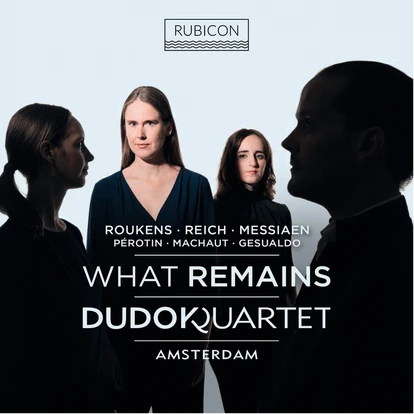
Dudok Quartet Amsterdam delivers an enchanting auditory exploration with their latest release, “What Remains.” A symphony of diverse compositions, ranging from centuries past to the contemporary, this album takes listeners on an immersive journey through time and sound. While occasionally missing a visual element, the quartet’s impassioned performance leaves an indelible mark, particularly in the title work by Joey Roukens.
The eponymous centerpiece of the album, Roukens’s “String Quartet No. 4 ‘What Remains,'” is a musical odyssey that delves into the realms of memory, form, and music itself. The quartet’s rendition resonates with fervor and connection, inviting audiences to embark on an introspective expedition. Roukens’s quartet is a captivating tapestry, woven with intricate threads of emotion that unravel with each subsequent listen, revealing the depths of its artistic brilliance.
“What Remains” embraces a sweeping range of compositions, from the early notations of Pérotin’s “Viderunt omnes” to the enigmatic madrigal by Gesualdo. These historical pieces act as pillars, framing the hauntingly powerful performances of Olivier Messiaen’s celestial “Oraison” from “Fête des belles eaux” and Steve Reich’s immersive “Different Trains.” The album’s thematic focus on time, motion, and journeys is poetically expressed through this eclectic selection, offering a sonorous glimpse into the continuum of human experience.
A standout gem, Steve Reich’s “Different Trains,” unfurls as a cinematic masterpiece, intertwining a World War II narrative with magnetic tape effects and evocative voiceovers. The quartet’s rendition captures the essence of the composition’s emotional depth, though at times, the recorded sound’s constraints prevent the full realization of its grandeur, imparting a peculiar dryness and confinement.
While the conceptual through-lines of time and motion occasionally meld less seamlessly across the album’s eclectic array, Dudok Quartet Amsterdam’s impassioned and intense performance bridges these realms. The quartet’s dedication to Roukens’s opus and the wider repertoire is palpable, drawing listeners into an enchanting auditory world that ignites the imagination.
In summation, “What Remains” is a meticulously curated mosaic of sound that beckons listeners to contemplate the elusive passage of time and the spectral echoes of history. Despite minor limitations in capturing the full auditory spectrum, the Dudok Quartet Amsterdam’s masterful interpretations, particularly of Joey Roukens’s resonant quartet, make this album an enriching and immersive journey for aficionados of classical and contemporary soundscapes alike.
Piano Recital
FESTIVAL DE MÚSICA
DE SANT PERE DE RODES
Girona, Spain
19th of July, 2023